


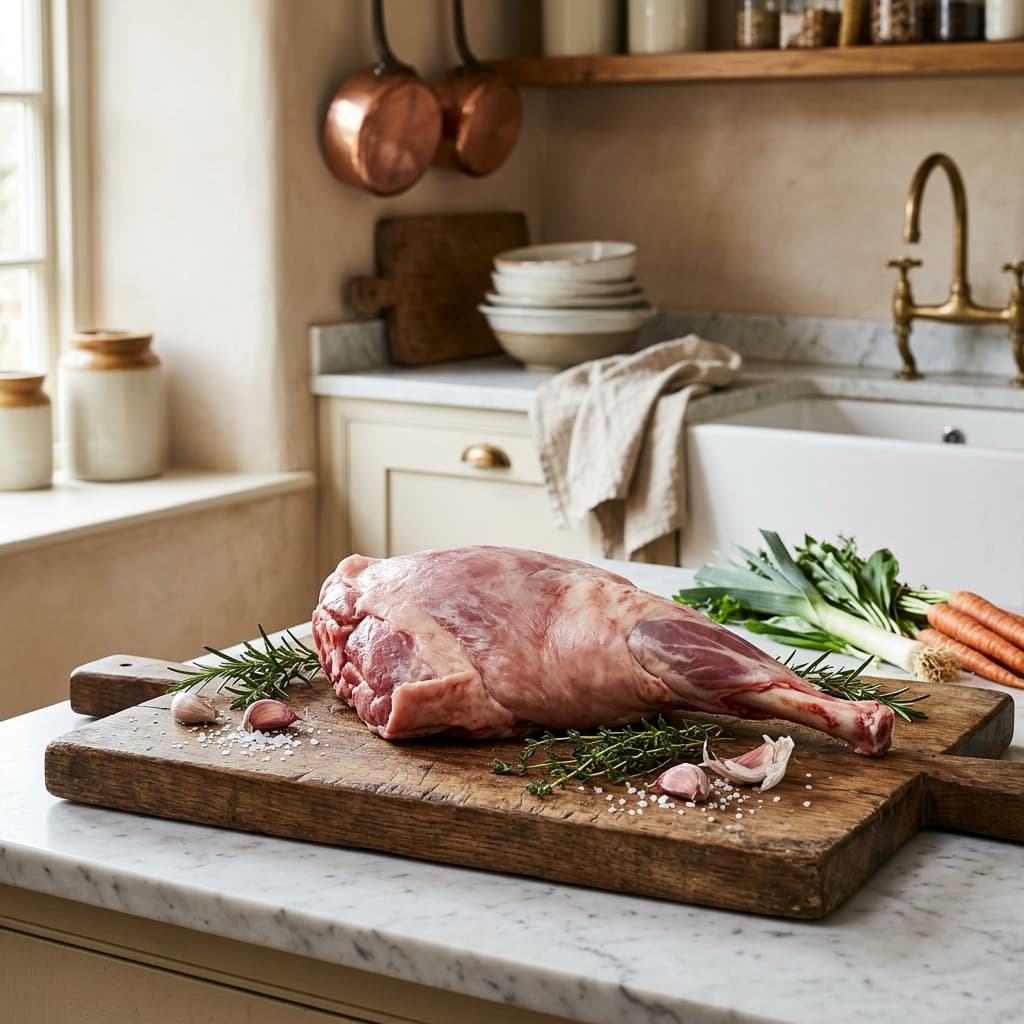
Features
Weight
1.5KG Single Leg not Double
Variety
Milk Fed Pyrenees Mountain Lamb Culotte
Region
Basque Region Pyrenees
Accreditation
Small Artisan Supplier
Goes well with:
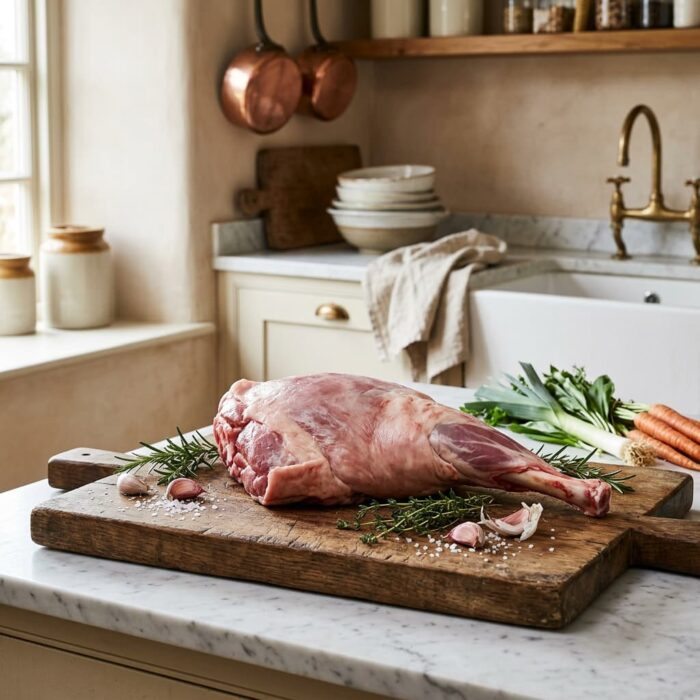 Pyrenees Mountains Milk Fed Lamb Leg
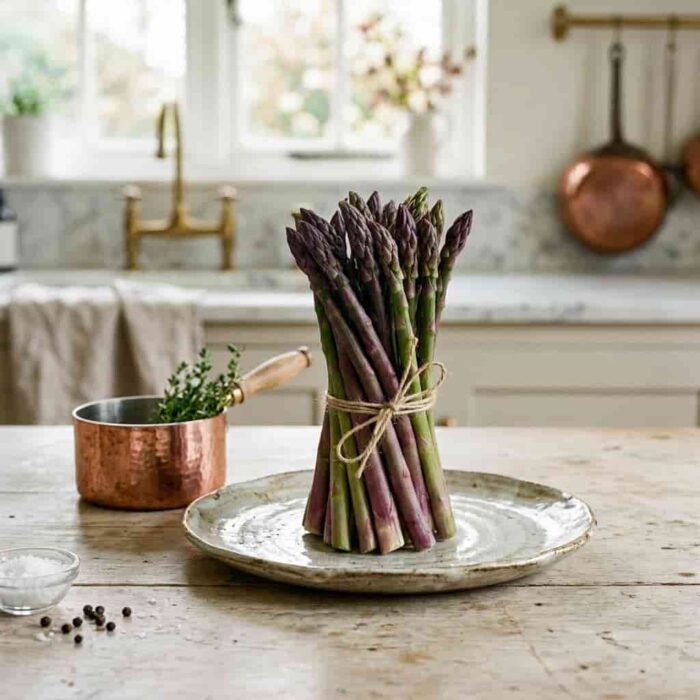
Wye Valley Asparagus, Purple 200g
Pyrenees Mountains Milk Fed Lamb Leg
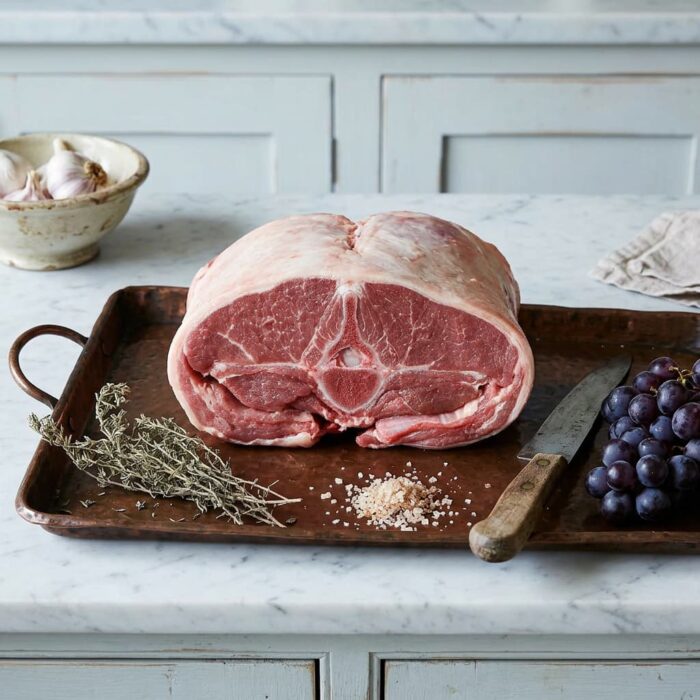
Pyrenees Lamb Leg is a milk-fed lamb leg from the Pyrenees Mountains – raised at altitude on small farms where the animals graze on mountain pastures and feed on their mother’s milk. From small farms where slow growth and careful husbandry produce meat of outstanding flavour.
Read more
Features
Weight
1.5KG Single Leg not Double
Variety
Milk Fed Pyrenees Mountain Lamb Culotte
Region
Basque Region Pyrenees
Accreditation
Small Artisan Supplier
Out of Stock
Goes well with:
Pyrenees Mountains Milk Fed Lamb Leg
Wye Valley Asparagus, Purple 200g
Description
Pyrenees Lamb Leg is a milk-fed lamb leg from the Pyrenees Mountains – raised at altitude on small farms where the animals graze on mountain pastures and feed on their mother’s milk. Pyrenees milk-fed lamb leg has an extraordinary delicacy and sweetness that reflects the purity of the mountain environment. As a result, it is one of the most highly prized lamb preparations in French regional cooking. Furthermore, the high altitude and clean air of the Pyrenees produce an animal with exceptional flavour development. In particular, this lamb leg suits the simplest possible cooking to let the outstanding natural character speak fully.
About Pyrenees Lamb Leg
We source our lamb and goat from small farms where slow growth and traditional husbandry produce meat of outstanding quality. In particular, we select every farm for its breed, farming practice and provenance. As a result, the lamb and goat we deliver carries a depth of flavour that intensively reared alternatives cannot match. Furthermore, smaller farms give animals more space, better grazing and a more natural life. However, slower growth means a longer time to market and higher costs throughout the supply chain. In particular, we consider those costs worthwhile because the difference on the plate is immediately apparent. Additionally, we work directly with our farmers so there is full traceability from field to delivery. That direct relationship is what allows us to stand behind every joint we sell. That is why Pyrenees Lamb Leg from The Artisan Food Company consistently impresses even the most discerning cooks.
Why Choose Pyrenees Lamb Leg From Us
Roasting lamb and goat from small farms rewards patience above all else. In contrast to supermarket joints, these cuts have more flavour, better marbling and a more complex character. As a result, they need less seasoning and less accompaniment to produce an outstanding result. Furthermore, resting a roasting joint after cooking is as important as the cooking itself. However, the approach differs significantly between cuts. In particular, shoulder and shank suit long, slow cooking at a low temperature until falling from the bone. Moreover, leg and saddle respond better to a hotter oven and a shorter time, served pink at the centre. Additionally, bringing any joint to room temperature before cooking produces a more even result throughout. That patience before and after cooking is what separates a good roast from an outstanding one.
How to Cook Pyrenees Lamb Leg
To get the very best from Pyrenees Lamb Leg:
- Season with sea salt, good olive oil and perhaps a little fresh thyme only – the milk-fed flavour needs no embellishment.
- Roast at 180°C for 40 to 50 minutes depending on size, basting every 15 minutes with the pan juices.
- Furthermore, Pyrenees milk fed lamb leg suits a light pan sauce made from the roasting juices deglazed with white wine.
- Rest for 10 to 15 minutes before carving into thin slices to reveal the pale, delicate meat inside.
Perfect Pairings
Pyrenees Lamb Leg pairs beautifully with:
- Good olive oil, sea salt and fresh thyme – nothing else is needed
- White wine pan sauce made from the roasting juices
- Simply roasted Piquillo peppers or a green salad alongside
- A chilled white Burgundy, Jurancon or a light Grenache alongside
Storage: Keep refrigerated and use within 2 to 3 days of delivery. For longer storage, freeze on the day of delivery and use within 3 months. Furthermore, remove from the vacuum pack on arrival, pat dry and store loosely covered in the fridge. However, always bring to room temperature for at least 30 minutes before roasting. Delivered fresh, vacuum-packed and ready to cook.
However you cook it, Pyrenees Lamb Leg brings a depth of flavour that only small farm provenance and careful butchery can deliver. Moreover, outstanding meat always rewards simple cooking and lets the ingredient speak for itself.